
Scams
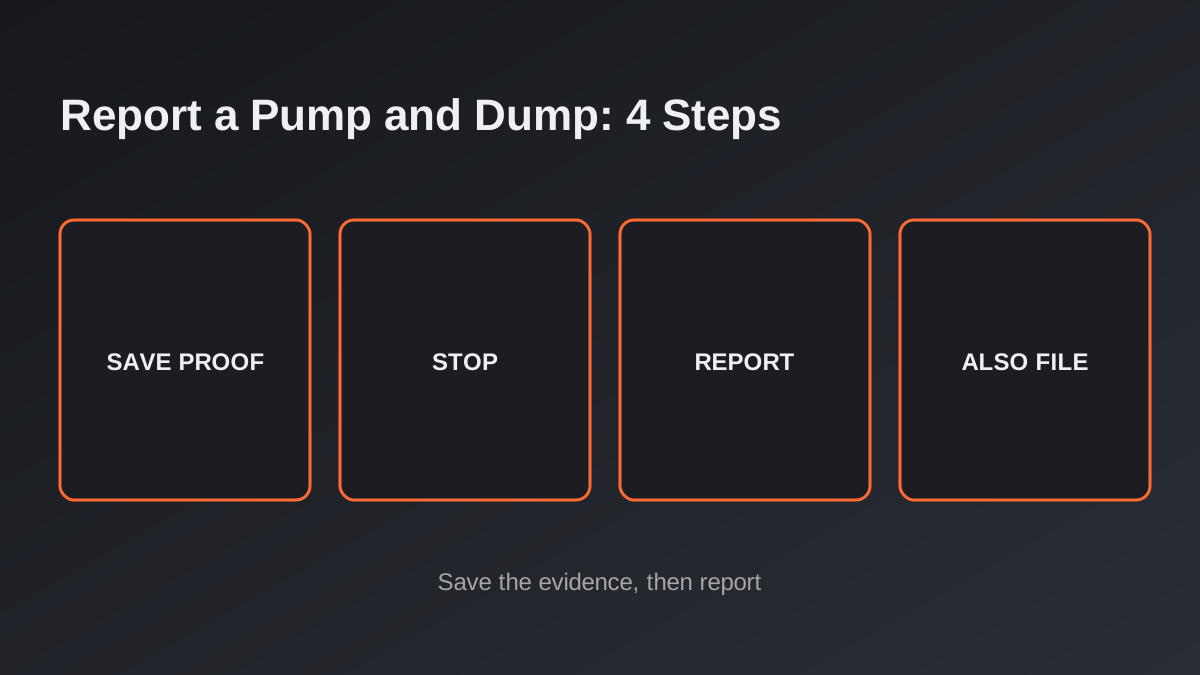
Reporting a Pump and Dump: Evidence to Save and Who to Tell
How to report a pump and dump stock scheme: the red flags, the evidence to save, and where to file in the US (SEC, FINRA, FTC, IC3), UK (FCA) and India (SEBI).
Plain-language explainers on scams, fraud and corruption — how the schemes run, the red flags to watch for, and where to report them in the US and the UK. Written from public sources by the Correption Editorial Desk.
Each one links to the explainer that shows how the scheme works.
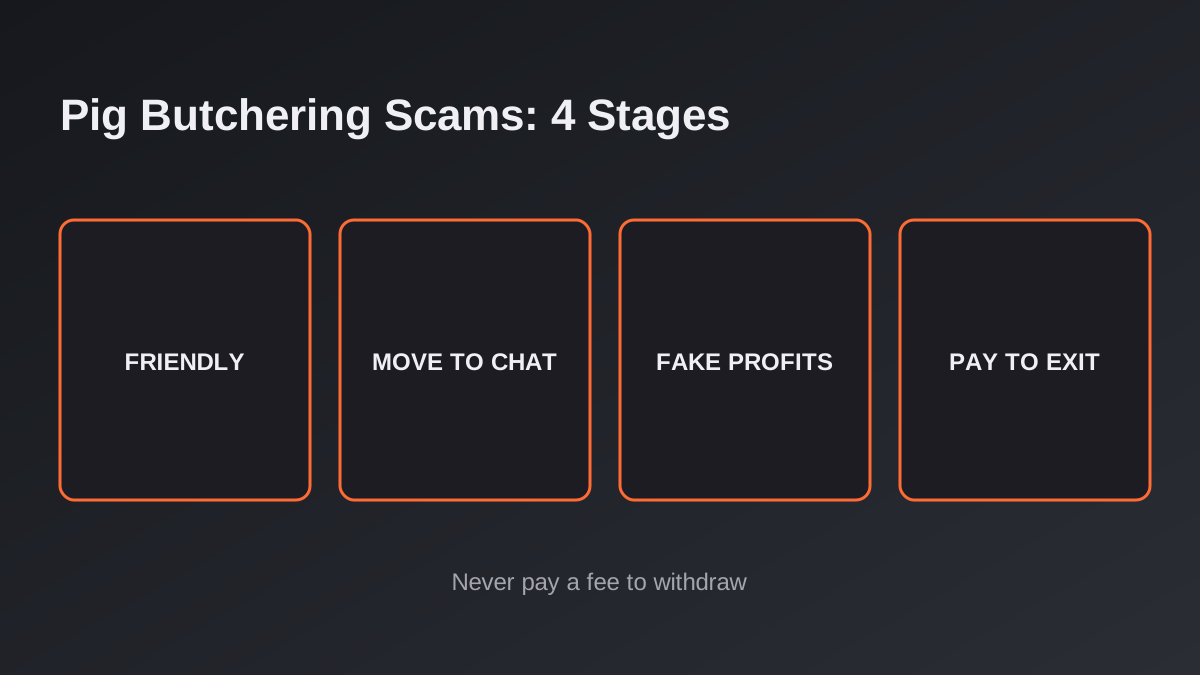
A trading app shows big gains, then blocks your money until you pay more.
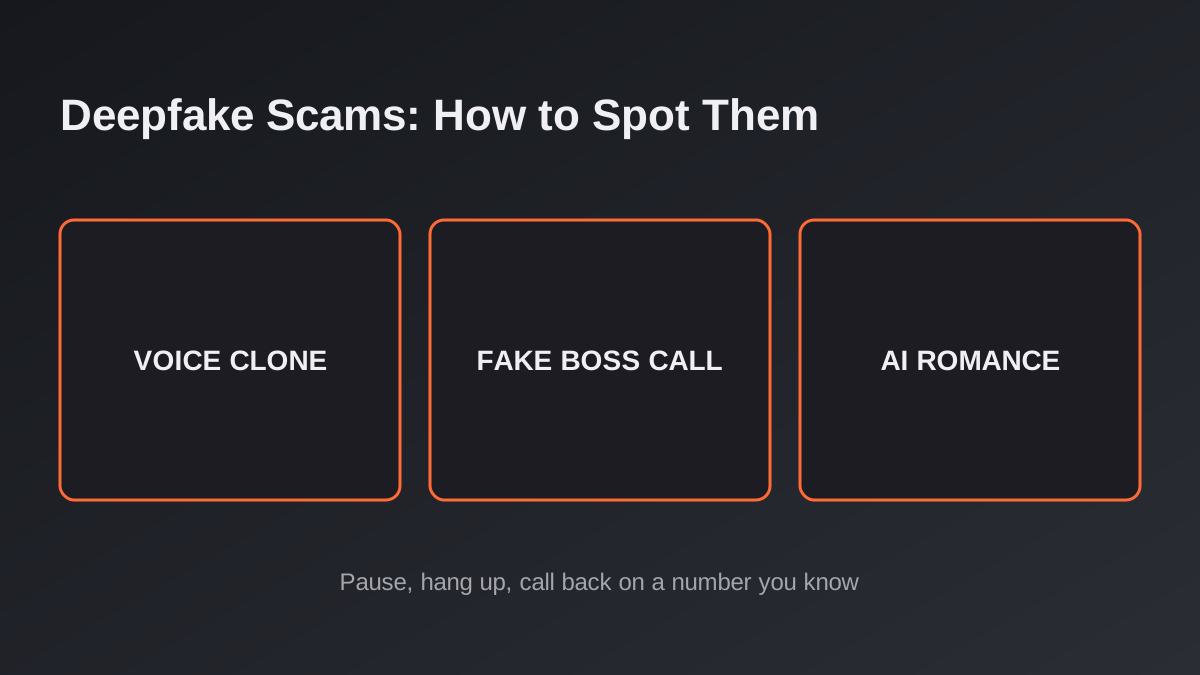
How pig butchering works →Cloned voices and faces push urgency. Hang up and call back on a number you know.
Spot a deepfake scam →Guaranteed profits or pay-to-recruit plans collapse when new money dries up.
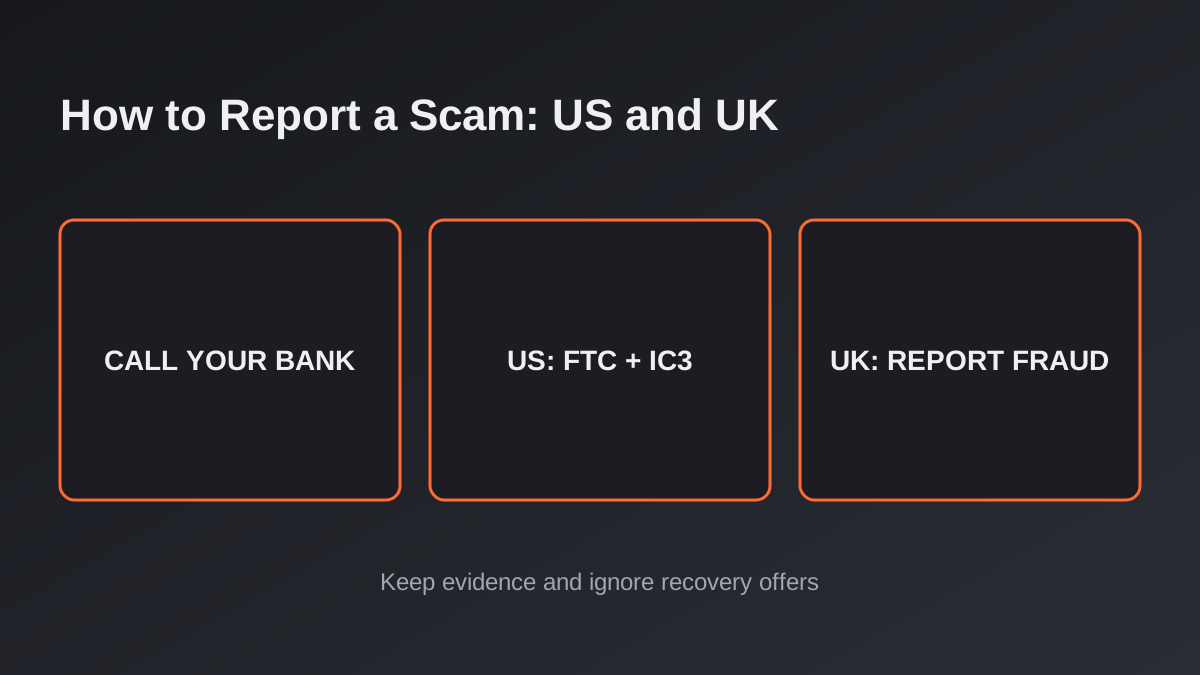
Ponzi vs pyramid →FTC, FBI IC3, Report Fraud, 7726 and the FCA: what each one handles.
Where to report →How to report a pump and dump stock scheme: the red flags, the evidence to save, and where to file in the US (SEC, FINRA, FTC, IC3), UK (FCA) and India (SEBI).
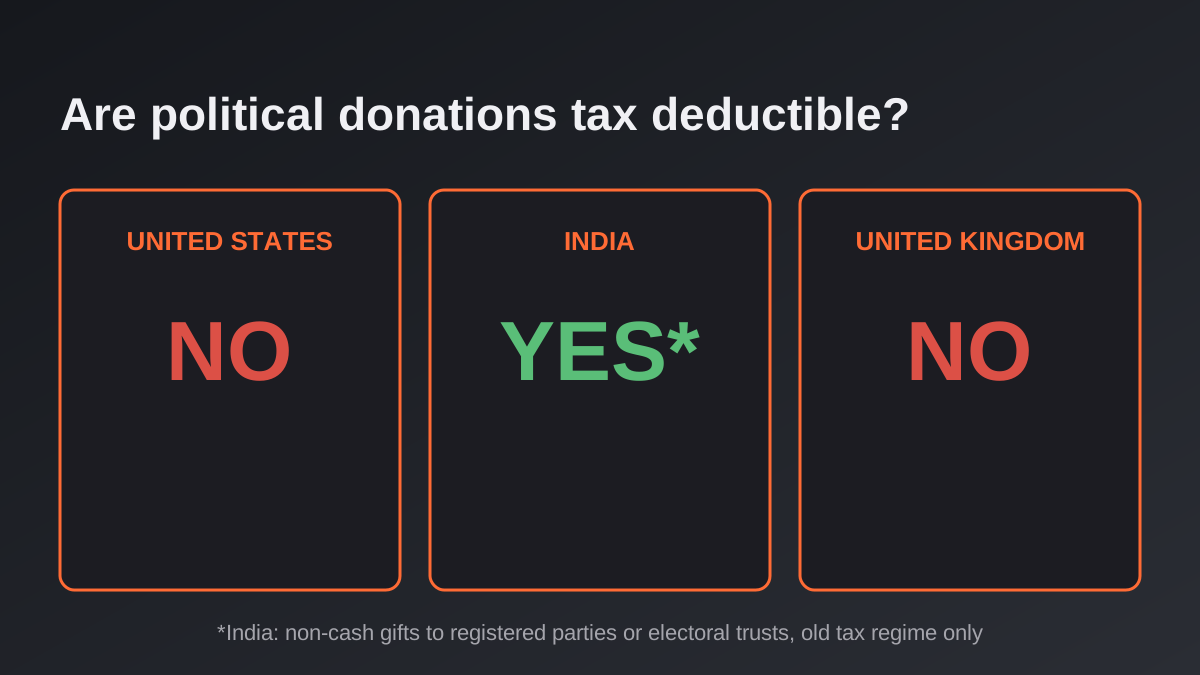
Political donations are not tax deductible in the US or UK, but India allows a deduction for non-cash gifts to registered parties. What counts, what doesn't, and why.
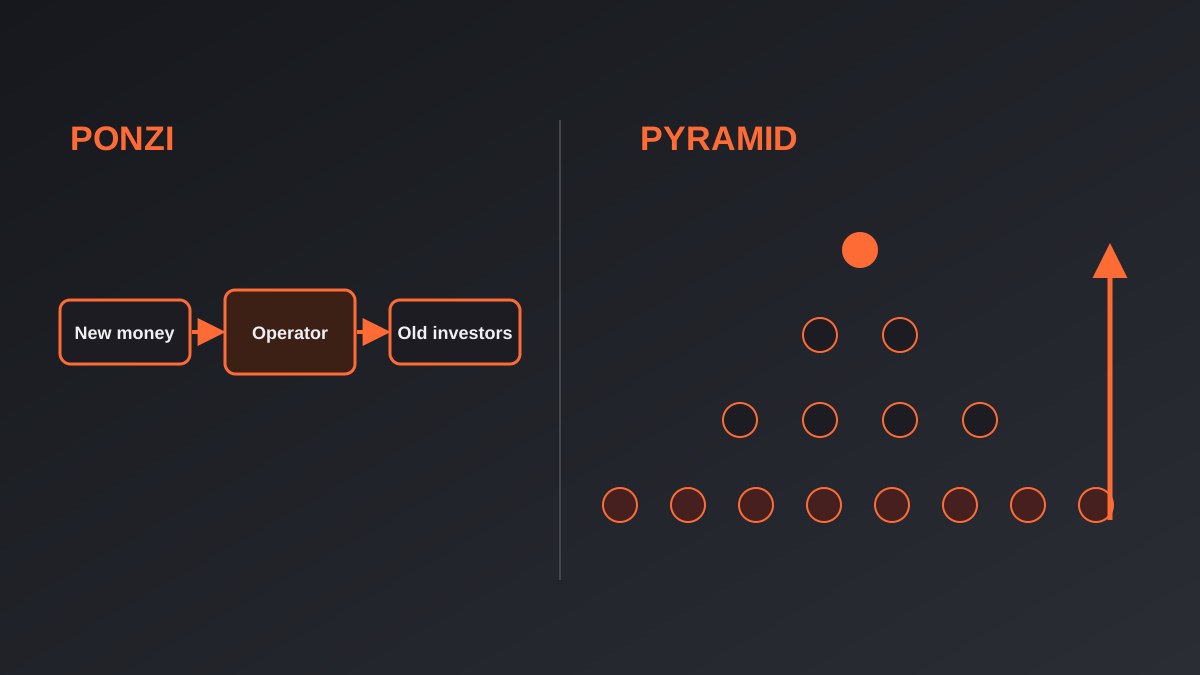
Ponzi vs pyramid scheme explained: who recruits, where the money goes, why both collapse, what US, UK and Indian law say, and the red flags to check before paying in.

Auditor independence explained: the SEC's reasonable-investor test, the five IESBA threats, what SOX, EU and Indian law ban, and how to check a company's auditor yourself.

Most whistle-blower protection laws sound impressive on paper. The reality for those who speak up is often quite different.
Public procurement processes promise open competition and value for taxpayers. Behind the scenes, the reality is often quite different.

Billions are spent annually on ethics programs. Research suggests they may actually make unethical behavior more likely.

Campaign finance laws promise transparency about political funding. Complex networks of donors, PACs, and shell organizations tell a different story.

Public companies pay audit firms to verify their financial statements. This arrangement creates conflicts that undermine the entire auditing process.

Drug regulators are supposed to protect public health. Instead, they often serve the interests of the companies they regulate.
Correption is an independent commentary and explainer blog run by the Correption Editorial Desk. We are not an investigative newsroom: we do not run investigations, publish new allegations or name private individuals. Our articles summarise publicly reported cases, laws and research and explain what they mean. Where we refer to real cases, they come from the public record.